Nada Borgi
Architecture · Interiors · Urban Systems
A design practice working across scales, exploring how spaces negotiate context, memory, and everyday life. From interiors to territories, the work focuses on creating meaningful relationships between people, place, and the built environment.
-
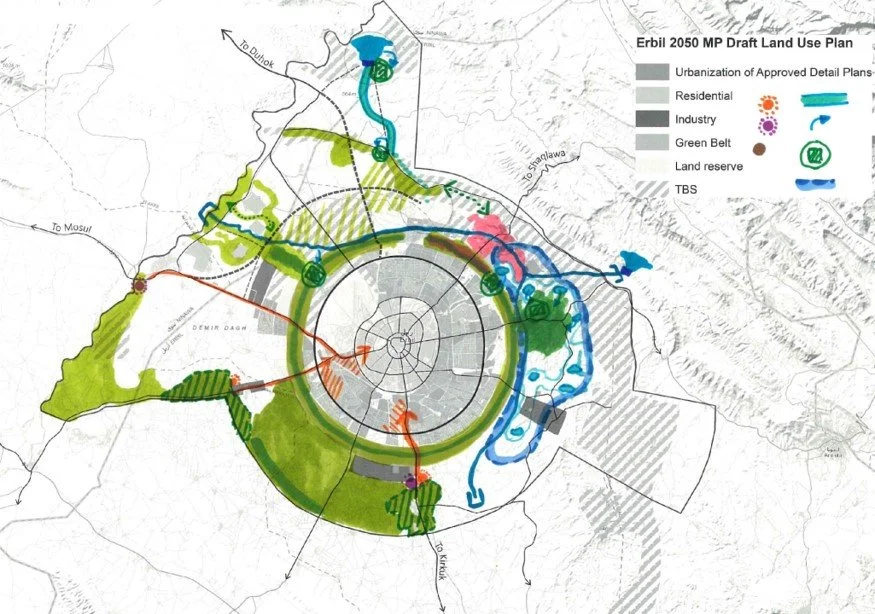
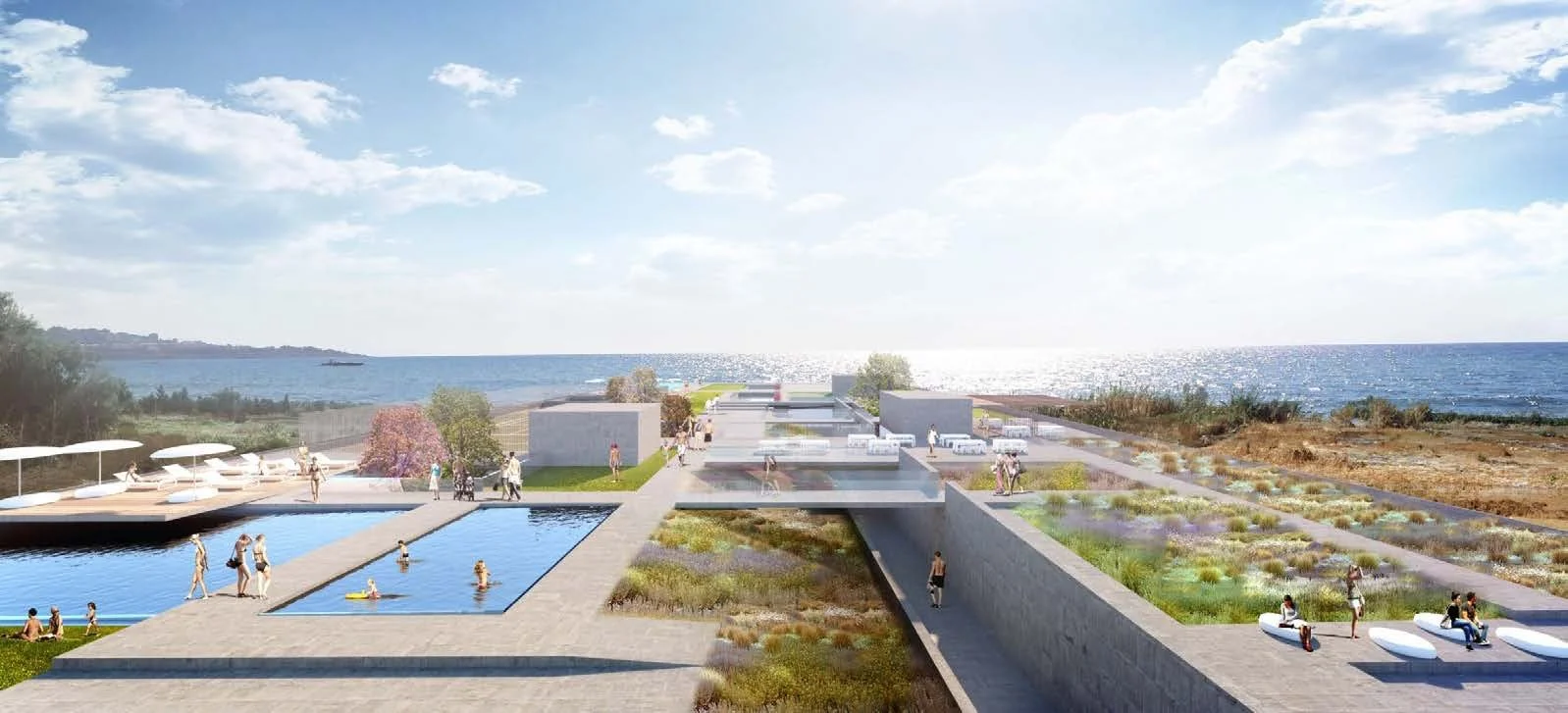
With cities at the heart of our practice, we approach each project as an opportunity to shape more inclusive, livable, and responsive environments. Whether we're developing urban strategies, planning neighborhoods, or designing catalytic moments within the city, people remain our central focus. We believe that meaningful urban design begins with understanding everyday life and creating spaces that support connection, adaptability, and long-term impact.
-
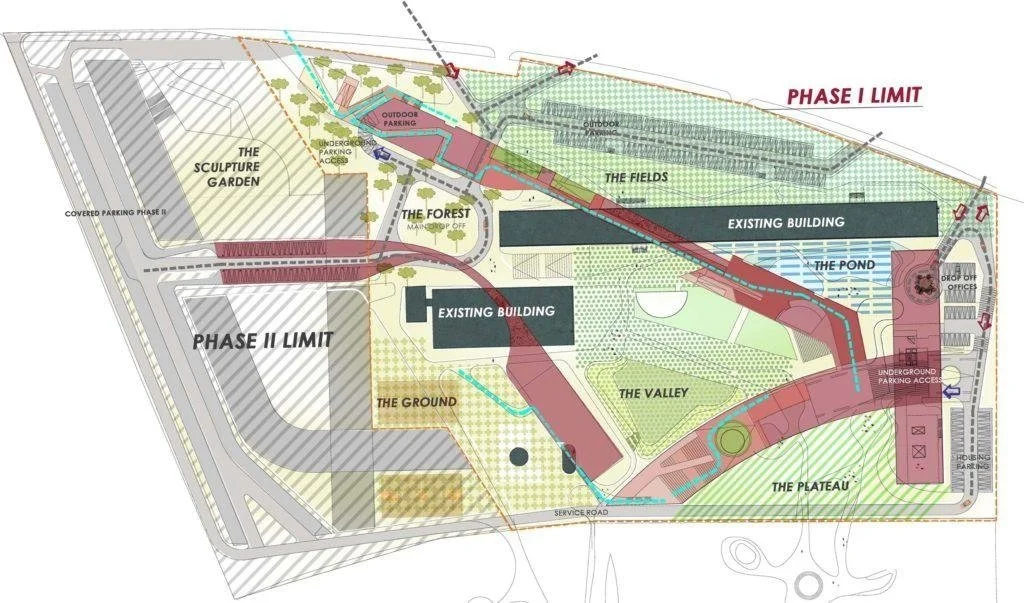
The foundational principle in our design is that of recreating the existing context rather than dismantling it. We utilize negotiation tactics, involving boundaries and narratives as our means to connect individuals with their surroundings and experiences.
Through establishing urban and architectural connections, projects that are sensitive to context and responsive to the environment yield fruitful and sustainable outcomes.
-
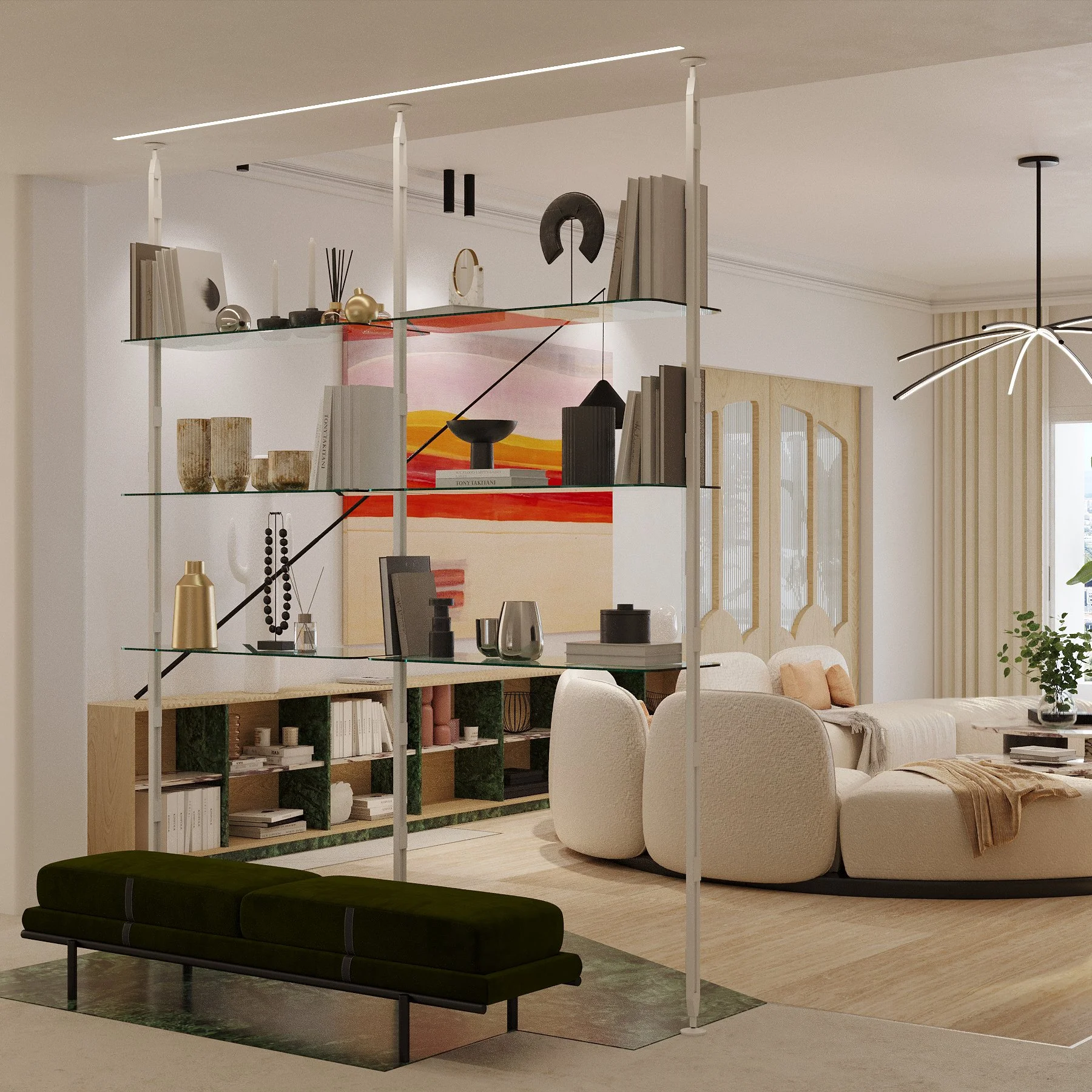
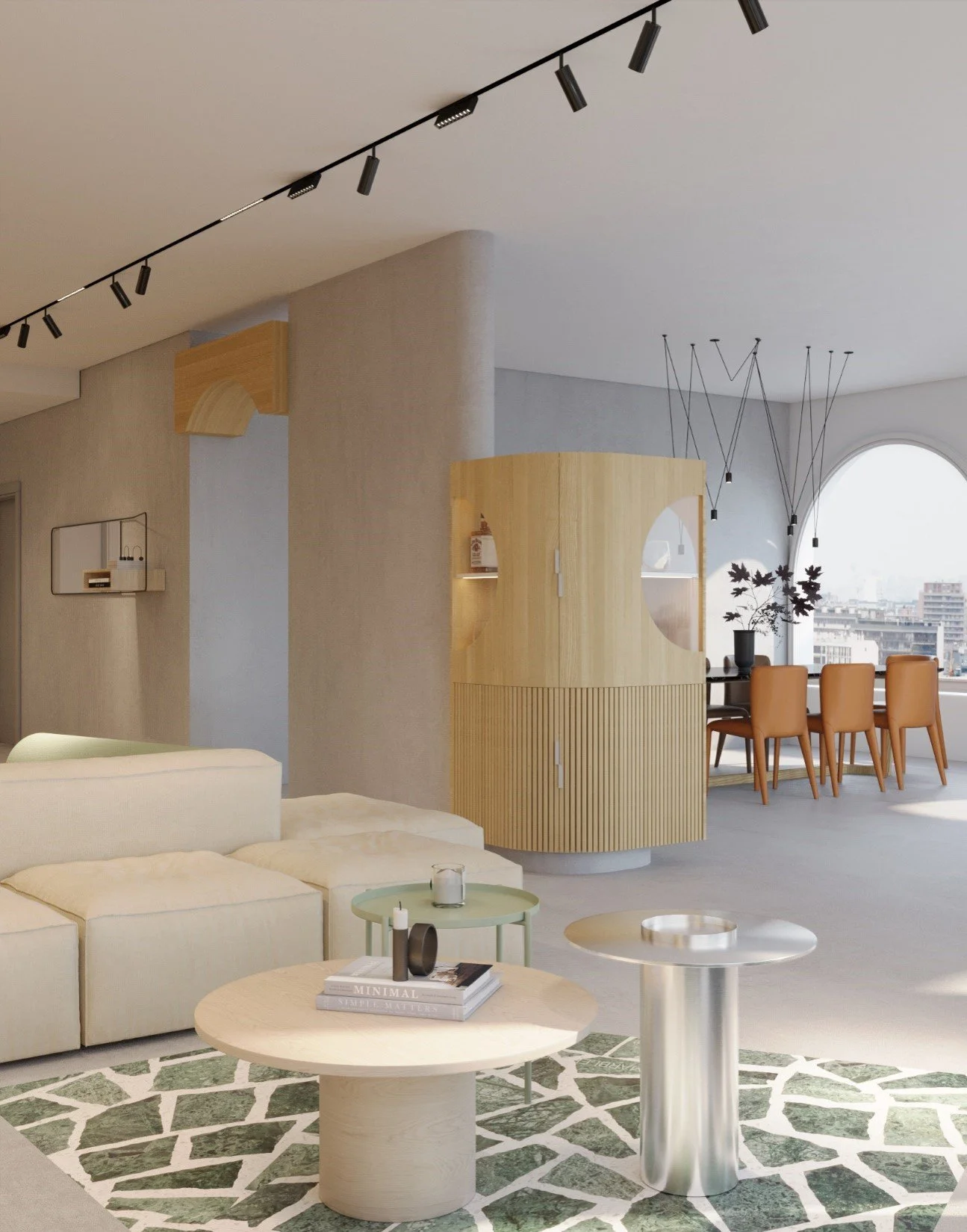
Our interior design approach is grounded in human experience and spatial clarity. W we craft interiors that are both purposeful and poetic, integrating light, materials, and spatial sequences to support daily life and evoke emotion. Whether working within a home, a public space, or a heritage building, our designs reflect a dialogue between architecture, interior space, and the broader urban or cultural context.
-
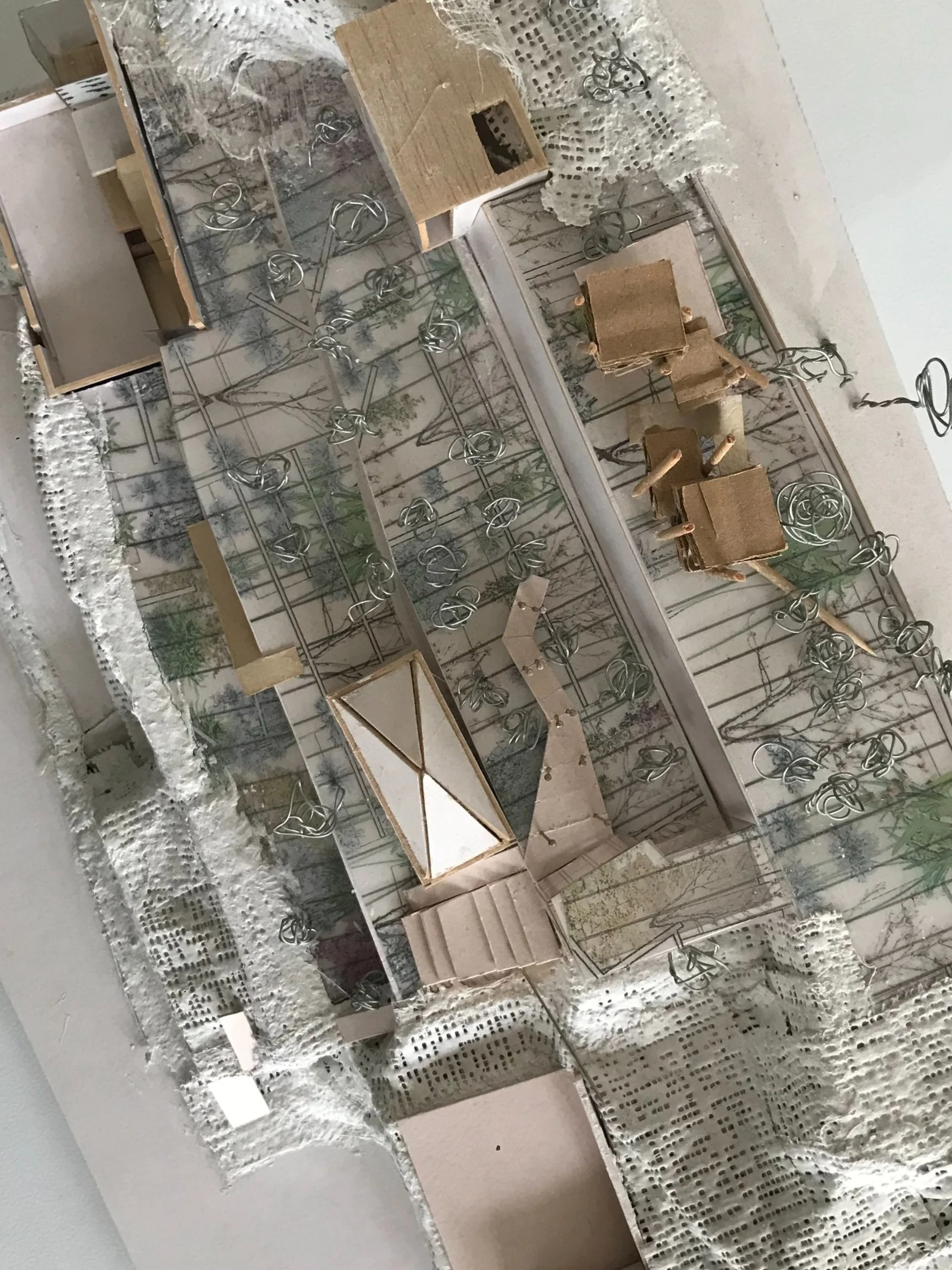
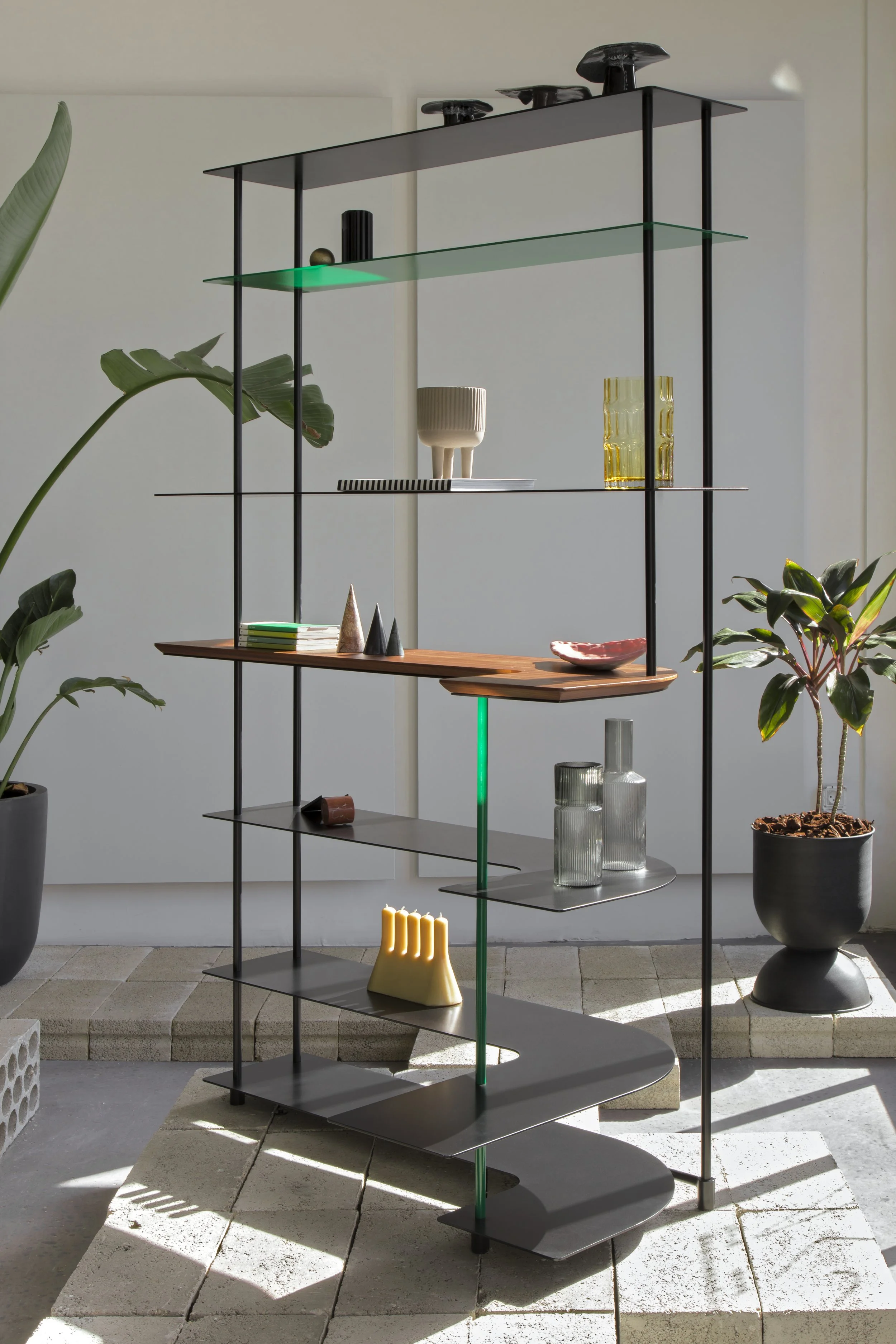
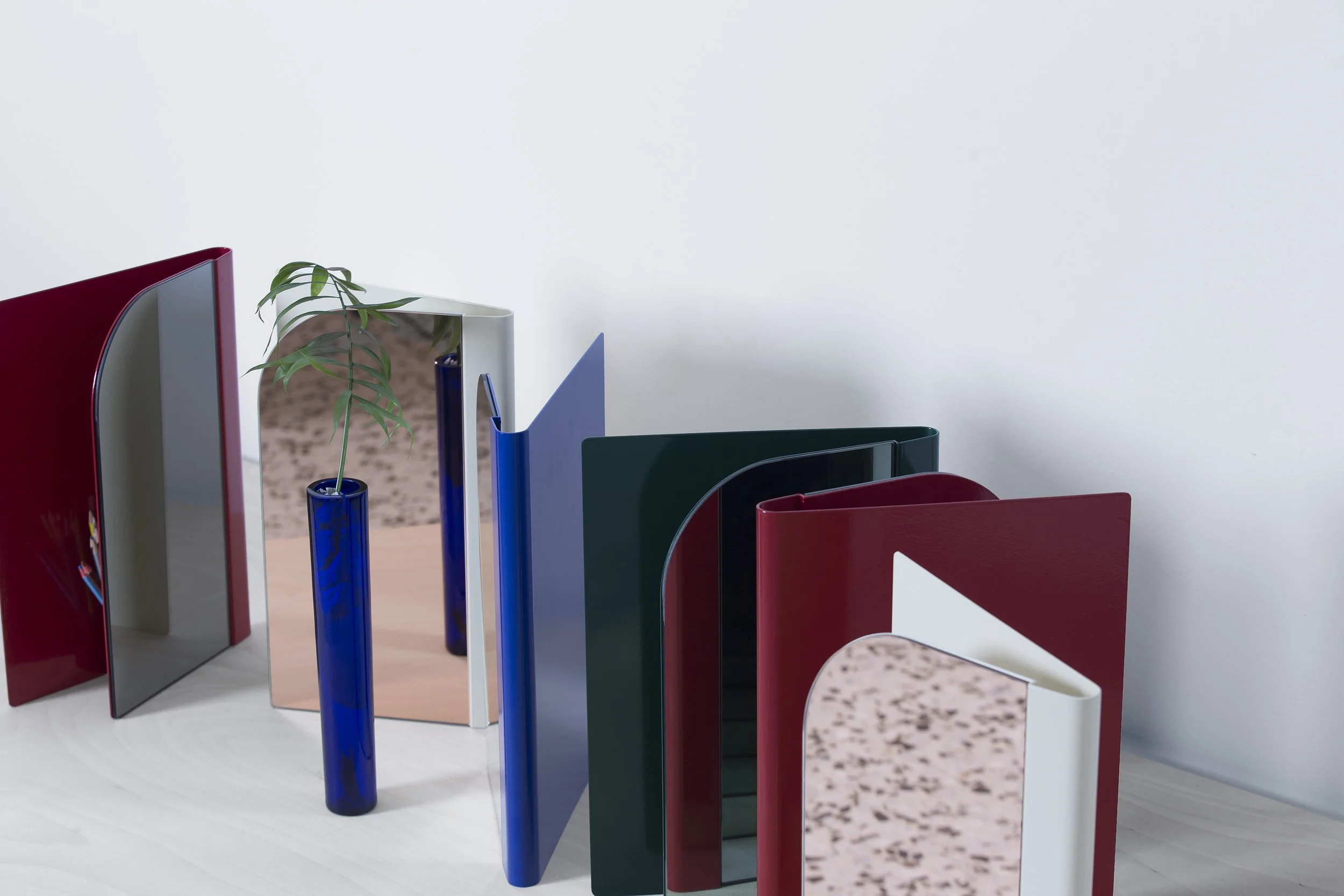
Our pieces are research-based manifestations of personalized interests.
Urban and built contexts are our main inspiration. Story-telling is our primary tool.
-
An adjunct faculty member with the rank of Associate Professor at Lebanese American University, teaching focuses on architecture and interior design studios that position design as both a critical and spatial practice. The approach emphasizes the relationship between interior environments and broader urban conditions, encouraging students to engage with context, question conventions, and develop strong conceptual frameworks. Through a combination of research, experimentation, and applied work, the pedagogy aims to foster independent thinking, clarity of expression, and the ability to design spaces that are socially responsive and spatially meaningful

Featured Projects


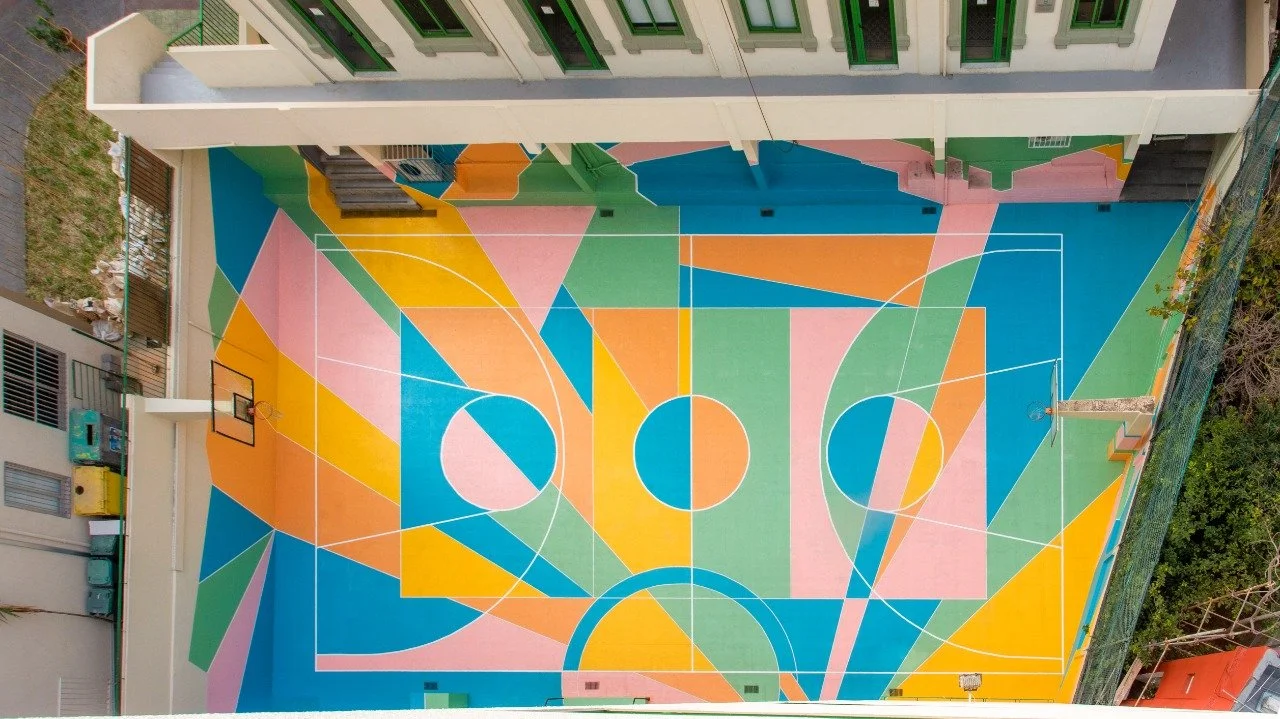
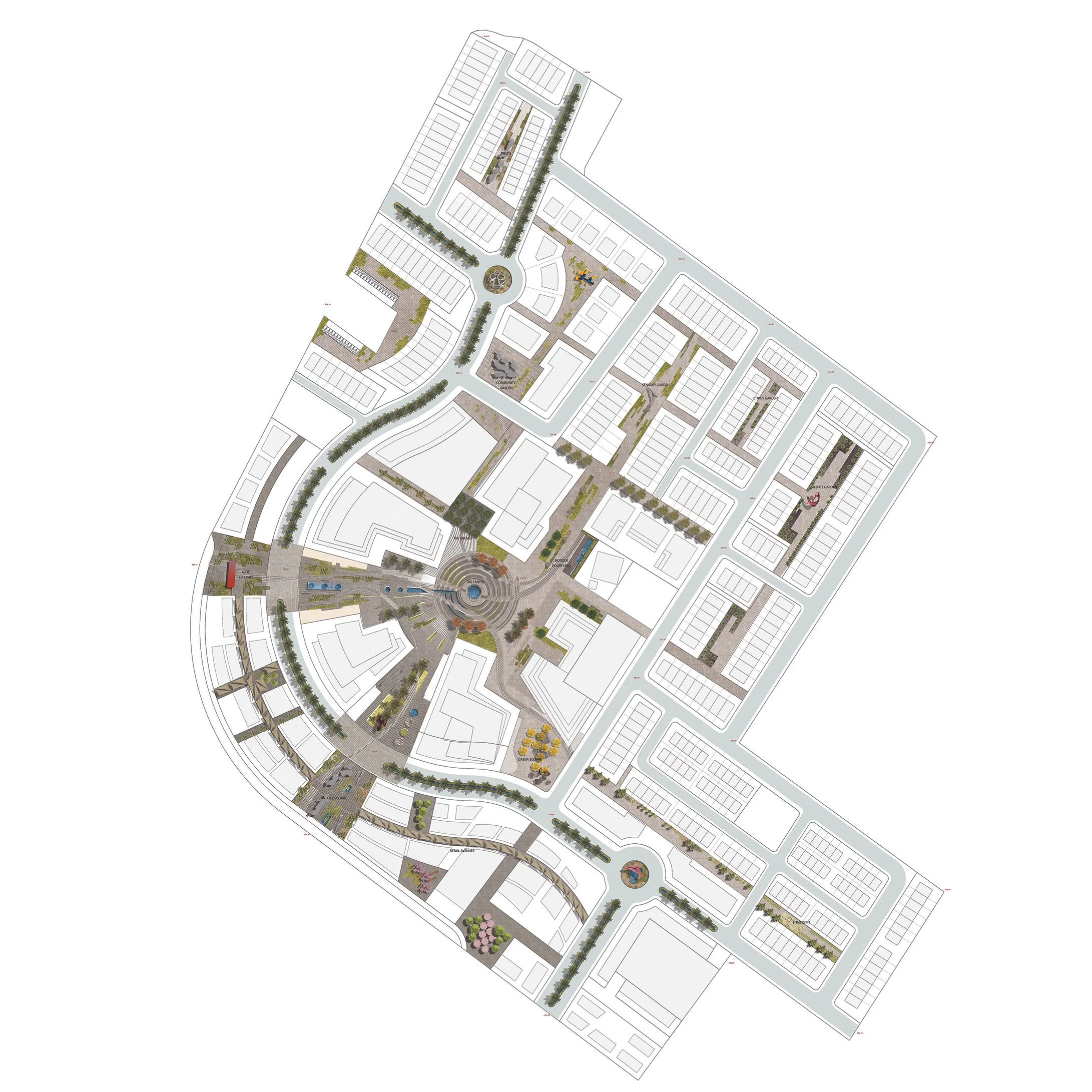
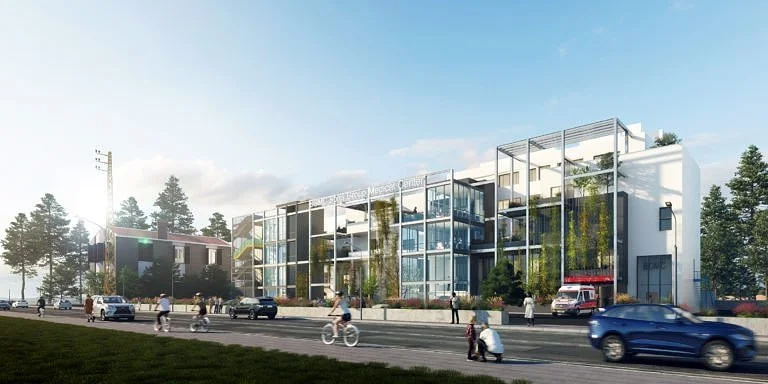




Design Approach
The work is grounded in the belief that design is not isolated within disciplines, but operates across interconnected scales. Interiors extend into streets, buildings influence territories, and urban systems shape everyday experience.
Projects are approached as acts of negotiation—between existing conditions and new interventions, between permanence and change, and between collective memory and contemporary needs. The aim is not to overwrite context, but to work through it, revealing new possibilities within it.